
A well-lit interior can change how a home looks and feels. Rooms with limited windows may appear darker than expected, even when they have generous floor space. This is a common issue in kitchen extensions, dining rooms and properties with flat roofs. Glass roof lanterns offer a way to address this problem by introducing natural daylight from above while adding an attractive architectural feature to the ceiling.
A roof lantern generally consists of a raised glazed structure fitted into a flat roof. Its sloping glass panels allow daylight to enter from different angles, creating a distinctive appearance both inside and outside the property. Alongside their visual appeal, roof lanterns can help make everyday living spaces brighter and more comfortable.
Allowing Daylight to Reach Deeper Areas of a Room
Conventional windows mainly bring light into a room from its external walls. In deeper extensions, this light may not reach the centre of the space effectively. A glass roof lantern provides an additional source of daylight directly above the room.
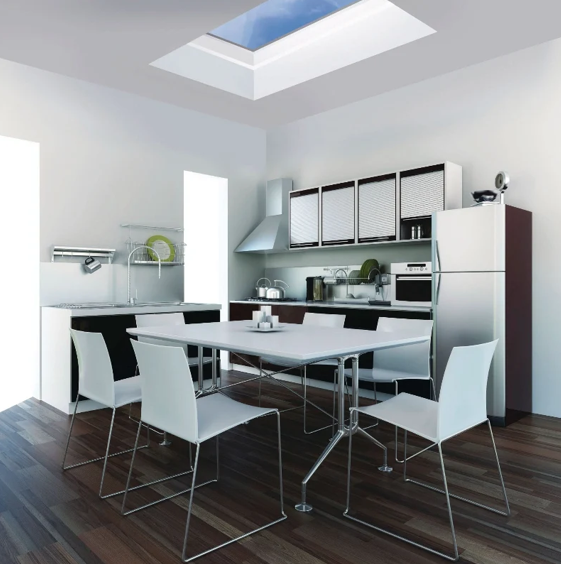
This arrangement is particularly useful in open-plan kitchens and dining areas. A lantern installed above a dining table or kitchen island can create a brighter focal point while helping illuminate the surrounding space.
The amount of daylight entering depends on the lantern’s dimensions, orientation, glazing and the position of nearby buildings. A larger glazed area may introduce more light, although the design should remain appropriate for the roof structure and the room’s requirements.
Careful positioning helps distribute natural light more evenly rather than concentrating it in an unsuitable part of the interior.
See also: Extending Equipment Lifespan with Real-Time Vibration Intelligence
Creating an Attractive Architectural Feature
Glass roof lanterns have a recognisable shape that can add character to otherwise plain flat roofs. Their raised design creates a visible architectural feature, making them particularly suitable for contemporary extensions and renovated properties.
Inside the home, the glazed structure draws attention upwards and creates a sense of height. This can make a room feel less enclosed, especially where the ceiling would otherwise be a continuous flat surface.
The frame finish also influences the overall appearance. Slim aluminium frames are often selected for contemporary properties because they provide a defined structure without creating an overly heavy visual effect. Neutral finishes can complement different interior styles, from minimalist kitchens to more traditional dining spaces.
A carefully selected roof lantern can therefore contribute to both the external design and the interior character of a property.
Making Open-Plan Living Areas Feel More Spacious
Open-plan layouts are designed to connect different activities within one shared space. However, large rooms can sometimes feel dark in the middle, particularly when the extension has only one external wall with windows or doors.
A roof lantern can help address this issue by introducing daylight through the ceiling. The raised glazing also creates a visual break in the roofline, adding depth and interest to the room.
In a kitchen-diner, for example, a lantern above the dining section can distinguish that area without the need for partitions. The natural light creates a subtle separation while allowing the overall layout to remain open.
The additional daylight can also make furniture, flooring and decorative finishes more visible, helping the interior feel balanced throughout the day.
Bringing Out the Character of Interior Materials
Natural light affects how colours, textures and finishes appear. Dark flooring, wooden cabinetry, stone worktops and decorative wall surfaces can look different under daylight compared with artificial lighting.
A glass roof lantern introduces light from above, allowing these materials to be seen under changing natural conditions. This can be particularly useful in kitchens where worktop finishes and cabinet details form an important part of the interior design.
Daylight also changes gradually throughout the day. Morning light, afternoon brightness and softer evening conditions create different effects within the room.
Homeowners should consider this when selecting the lantern’s position. A rooflight above a dining area may create a pleasant daytime setting, while one above a kitchen island can help illuminate a frequently used working area.
Supporting a More Comfortable Indoor Environment
A glass roof lantern can contribute to a comfortable interior by increasing daylight exposure. During daylight hours, this may reduce the need to switch on ceiling lights, depending on the room’s size and the amount of available sunlight.
Glazing specification is particularly important because a roof lantern receives direct exposure to changing outdoor temperatures and sunlight. Double or triple glazing, suitable coatings and thermally efficient frames can help manage heat transfer.
Solar control glazing may also be worth considering for rooms that receive strong sunlight. It can help limit unwanted solar heat gain while allowing daylight to enter.
The right specification depends on the property’s location, roof orientation and intended use of the room. Good thermal performance helps prevent a bright extension from becoming uncomfortable during hot or cold weather.
Connecting Interior Spaces With the Outdoors
Roof lanterns provide an overhead view of the sky, creating a visual connection with outdoor conditions. Changes in cloud cover, sunlight and weather become part of the interior experience.
This feature can make dining rooms and living areas feel more open without requiring additional external wall space. It is particularly useful in extensions where neighbouring properties, boundary walls or existing structures restrict views at ground level.
A glazed roof structure can also create an interesting setting for indoor plants. Areas receiving sufficient natural light may support suitable plant varieties, although the amount of direct sunlight and room temperature should be considered.
The visual connection with the sky adds another dimension to a room that might otherwise have a conventional ceiling.
Choosing the Right Frame and Glazing
The appearance and performance of a roof lantern depend heavily on its materials. Aluminium is commonly used for frames because it is durable, relatively lightweight and suitable for slim-profile designs.
Frame colour should complement the existing windows, doors and roof finishes. Dark frames can create a defined outline around the glass, while lighter finishes may blend more closely with the surrounding interior.
Glazing should be selected according to thermal efficiency, solar control, safety and cleaning requirements. Safety glass is essential for overhead installations, and the product should be designed specifically for roof use.
It is also worth checking the manufacturer’s information regarding weather resistance, drainage and maintenance.
Planning the Installation Carefully
Roof lantern installation requires attention to the existing roof structure. The opening must be appropriately supported, insulated and waterproofed to prevent problems after installation.
The size of the lantern should be suitable for the available roof area and the room below. An oversized structure may not suit every property, while a smaller design may provide sufficient daylight without dominating the extension.
Professional fitting helps ensure that the frame, flashing and roof covering work together correctly. Planning permission and building regulations should also be checked where applicable.
A Lasting Feature for Residential Interiors
Glass roof lanterns combine practical daylight improvements with distinctive architectural styling. They can brighten deeper rooms, add height to flat ceilings and create an attractive centrepiece in kitchen and dining extensions.
Their long-term performance depends on appropriate glazing, suitable frame materials and correct installation. With these details addressed during planning, a roof lantern can become a valuable feature that contributes to the appearance and everyday comfort of a home.