
Extending Equipment Lifespan with Real-Time Vibration Intelligence
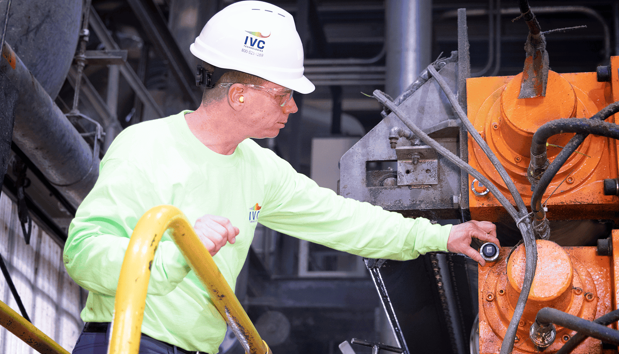
Industrial equipment represents a major investment for organizations across manufacturing, energy, transportation, construction, mining, and other demanding sectors. Keeping this equipment operating efficiently for as long as possible is therefore essential for controlling costs, maintaining productivity, and avoiding disruptive failures.…
ByJohn A
How Acquaint Builds Property Management Software: Process, Tech Stack, and Delivery Model

What This Guide Covers Summary Why Real Estate Teams Choose Acquaint. Real estate teams come to us when generic property software stops fitting how they actually operate, and they need something built around their workflows instead of the other way…
How Blockchain Technology Supports Smart Contracts

Blockchain underpins smart contracts by encoding rules into a tamper-evident ledger. Consensus, cryptography, and oracles align trust, integrity, and external inputs with deterministic outcomes. Transactions execute automatically, removing intermediaries and preserving auditability. Immutable records enable verifiable provenance and boundaryless interoperability…
How Blockchain Technology Supports Smart Cities

Blockchain provides a trusted, auditable data layer for smart cities, enabling interoperable systems and autonomous governance with tamper-evident records. It supports transparent data interactions, token-based incentives for public goods, and resilient services through verifiable metrics. Privacy-preserving sharing and scalable governance…
How Smart Devices Are Improving Daily Convenience

Smart devices automate routine tasks across homes, coordinating lighting, climate, security, and appliances through connected platforms. They operate with minimal human input, delivering consistent performance and measurable savings in time and energy. Automation reduces manual oversight while preserving user control…
How Artificial Intelligence Is Transforming Financial Analysis
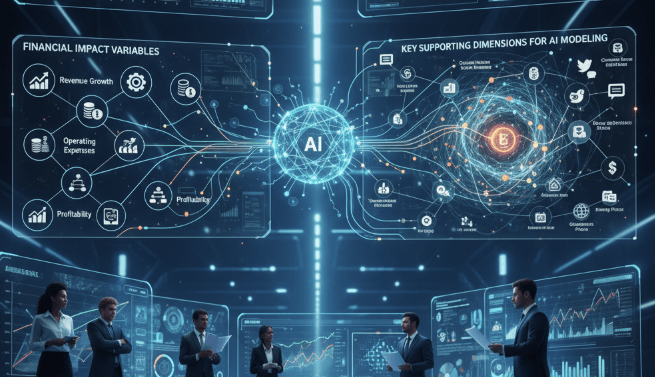
Artificial intelligence is shifting financial analysis from manual, rule-based methods to scalable, data-driven models. AI enables faster forecasting, clearer risk signals, and auditable decision frameworks. Integrated data pipelines, validated forecasts, and governance controls improve transparency and accountability. Analysts translate model…