ByJohn A
What to Do If Asbestos Is Found in Your Home
If asbestos is found in your home, do not panic and do not disturb the material. Asbestos-containing materials that are intact and left undisturbed may not require immediate removal. The first step is to determine where the asbestos is located, whether it is damaged, and whether planned repairs or renovations could disturb it. Professional asbestos testing in Long Island can help confirm whether a suspect material contains asbestos and provide the information needed to plan the next step safely.
Asbestos was used in many older building materials, including floor tiles, pipe insulation, roofing and siding products, textured coatings, insulation, and some adhesives. You cannot reliably identify asbestos by appearance alone. The U.S. Environmental Protection Agency (EPA) recommends having suspect materials sampled by a properly trained and accredited asbestos professional when they are damaged or may be disturbed during renovation.
Finding asbestos does not automatically mean you need to remove everything. In many cases, the safest approach is to leave an intact material alone and manage it properly. The right response depends on the material’s condition, location, and the work planned around it.
Stay Calm and Avoid Disturbing the Material
The first thing to remember is that asbestos becomes a greater concern when fibers can become airborne. Materials that contain asbestos can remain in a home for many years without releasing significant amounts of fibers when they are intact and not disturbed.
The EPA advises homeowners to leave asbestos-containing materials alone when they are in good condition and will not be disturbed. Materials can become a concern when they are damaged, cut, sanded, drilled, scraped, torn, or removed incorrectly.
If you discover a material that may contain asbestos, avoid handling it while you decide what to do next. Do not scrape a ceiling texture to get a closer look. Do not pull up an old floor tile. Do not cut into pipe insulation or remove old insulation from an attic.
If the material is already damaged, limit activity around the area and keep people away from it until a qualified professional can assess the situation.
Confirm That the Material Contains Asbestos
Before making decisions about removal or repair, make sure you know whether the material actually contains asbestos.
You cannot confirm asbestos simply by looking at an old floor tile, ceiling, insulation, or pipe covering. Similar-looking products can have very different compositions. The EPA states that the only way to know for certain whether a suspect material contains asbestos is to have it tested by a qualified laboratory.
This is why professional asbestos testing is important.
A trained asbestos professional can identify suspect materials and determine whether sampling is appropriate. Samples are then analyzed using an appropriate laboratory method.
New York State Department of Health lists polarized light microscopy (PLM) as a method for analyzing bulk asbestos samples. It also provides information on approved laboratory methods and certified laboratories for asbestos analysis.
Homeowners should not collect asbestos samples themselves. Improper sampling can disturb the material and potentially create more exposure than leaving it untouched. The EPA specifically recommends having samples collected by trained and accredited professionals.
Understand Where the Asbestos Is Located
Once testing confirms asbestos, the next step is to understand exactly where it is in the home.
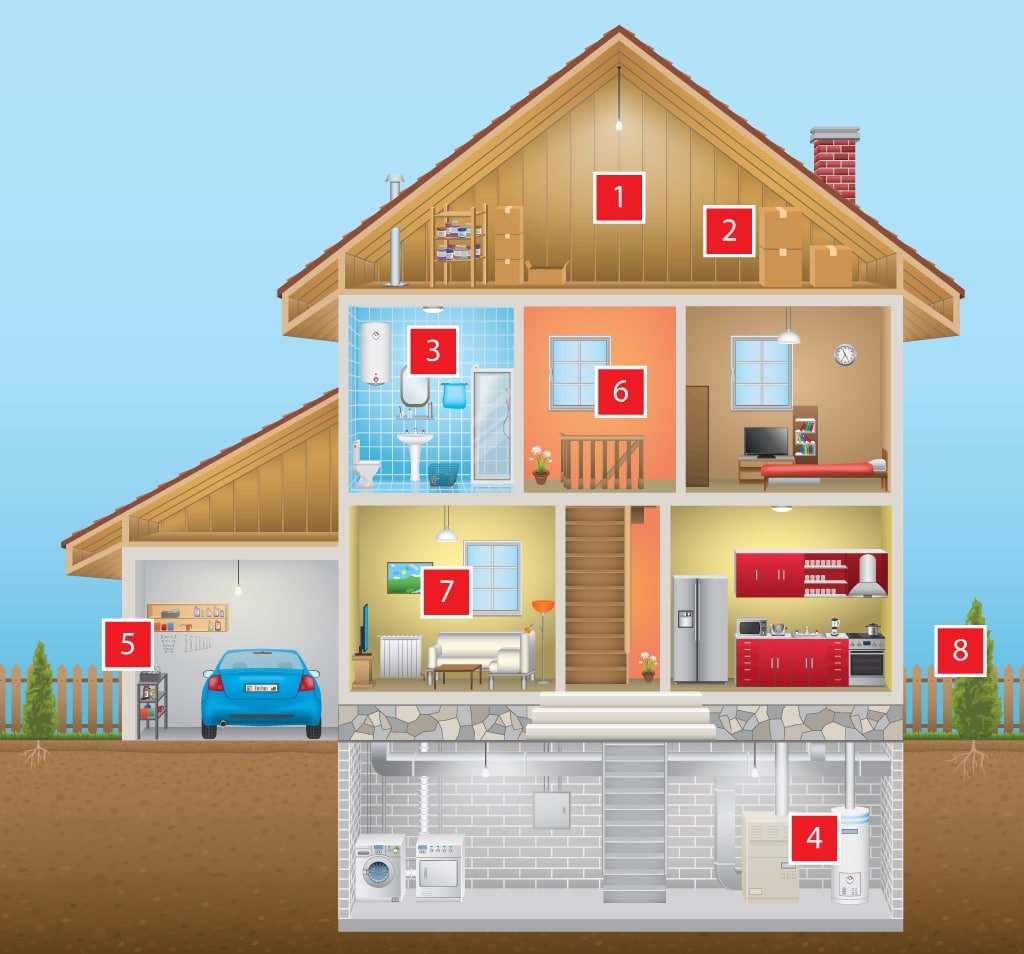
Asbestos can occur in many different building materials. New York State Department of Health identifies potential asbestos-containing materials such as roofing and siding shingles, insulation, vermiculite, textured paint, patching compounds, vinyl floor tiles, sheet flooring backing, adhesives, pipe insulation, furnaces, and gaskets.
The location matters because the same type of material may require different considerations depending on how it is used.
For example, an intact floor tile underneath a carpet may not face the same level of disturbance as damaged pipe insulation in an area scheduled for plumbing work. Likewise, a textured ceiling that will remain untouched may be managed differently from one that needs to be removed during a renovation.
A professional assessment can help document the location, condition, and type of material identified.
Check the Condition of the Material
After confirming asbestos, determine whether the material is intact or damaged.
Intact asbestos-containing material may not need immediate removal. The EPA explains that asbestos materials in good condition and not subject to disturbance generally should be left alone.
Damage can change the situation. Look for signs such as:
- Crumbling or loose material
- Tears or breaks
- Fraying insulation
- Water damage
- Surface deterioration
- Areas that have already been cut, drilled, or scraped
Do not touch or manipulate the material to check its condition. A professional should evaluate suspect or damaged areas when there is a risk of releasing fibers.
The term “friable” is often used when asbestos-containing material can be crumbled, pulverized, or reduced to powder by hand pressure when dry. Friable materials generally require greater care because they can release fibers more easily when disturbed.
Decide Whether the Asbestos Needs to Be Removed
Finding asbestos does not automatically mean that removal is the best option.
In some situations, leaving an intact material in place and preventing disturbance may be the appropriate approach. Removal itself can create a risk because the material has to be disturbed as part of the process.
The decision depends on several factors, including the material’s condition, location, accessibility, and whether future work could disturb it.
For example, if asbestos-containing flooring is in good condition and will remain covered or otherwise undisturbed, removal may not be necessary. On the other hand, if a remodeling project requires the flooring to be removed, the project may need a specific asbestos management or abatement plan.
EPA guidance recommends reviewing asbestos inspection and assessment information before renovation and determining whether suspect materials that could be disturbed should be sampled or treated as asbestos-containing material.
What If You Are Planning a Renovation?
Renovation is one of the most important reasons to address asbestos before work begins.
Projects involving demolition, flooring replacement, kitchen remodeling, bathroom remodeling, electrical work, plumbing, ceiling repairs, or wall openings can disturb materials that have been in place for decades.
If asbestos has been identified in an area where renovation will take place, stop and review the project before construction continues.
Your contractor should know where asbestos-containing materials are located. The renovation plan may need to change depending on the type and condition of the material.
For example, a project may require:
- Leaving the asbestos-containing material undisturbed
- Changing the renovation method
- Encapsulating or enclosing the material
- Having qualified professionals repair or remove it
- Performing additional testing before or after the work
The correct option depends on the project. Do not assume that a general remodeling contractor can safely handle asbestos simply because they have experience with other types of renovation work.
Hire Qualified Asbestos Professionals for Removal
If asbestos must be removed or repaired, use professionals who are properly trained and qualified for the work.
Asbestos abatement is different from ordinary home improvement. It requires appropriate work practices, protective measures, containment, waste handling, and disposal procedures.
New York has specific asbestos requirements covering training and safety. New York State Department of Labor regulations under 12 NYCRR Part 56 address asbestos work involving removal, encapsulation, enclosure, repair, disturbance, and handling that could release asbestos fibers. New York State Department of Health also oversees asbestos safety training requirements under 10 NYCRR Part 73.
Before hiring anyone, ask about their training, licensing or certification where required, experience with the type of material involved, and the procedures they will use.
You should also understand who is performing the inspection, who is performing the laboratory analysis, and who is performing any removal work. Keeping these roles clear helps you make better decisions about the project.
Do Not Try DIY Asbestos Removal
Asbestos removal is not a suitable do-it-yourself project.
Cutting, sanding, scraping, breaking, or removing asbestos-containing material can release fibers. Using ordinary household tools or cleaning methods may also spread contaminated dust.
The EPA recommends using trained and accredited professionals for asbestos sampling and major repair or removal work.
DIY work can also create problems for the rest of a renovation. If asbestos fibers spread into nearby areas, additional cleaning, testing, or professional assessment may be needed.
The potential cost and disruption of improper handling can be much greater than arranging professional assistance before work starts.
Consider Additional Testing When Needed
Bulk material testing can confirm whether a specific building material contains asbestos. However, additional testing may sometimes be appropriate depending on what happened at the property.
For example, if asbestos-containing material was accidentally disturbed or improperly removed, an environmental professional may recommend additional assessment. Depending on the situation, this could involve air, dust, or bulk material sampling.
New York State Department of Health explains that air sampling can involve methods such as Phase Contrast Microscopy (PCM) or Transmission Electron Microscopy (TEM), while bulk materials can be analyzed using methods including PLM. The appropriate method depends on the purpose of the assessment.
Not every home with confirmed asbestos requires air testing. Testing should be based on the actual situation, the material involved, and the possibility of airborne contamination.
What If Asbestos Was Already Disturbed?
If you discover that asbestos-containing material has already been damaged or disturbed, do not assume that everything in the home is contaminated.
First, stop the activity that caused the disturbance. Keep people away from the area and avoid actions that could spread dust, such as sweeping or using an ordinary vacuum.
Next, contact a qualified asbestos professional for guidance. They can evaluate the area and determine whether additional inspection, sampling, cleanup, or other measures are appropriate.
New York State guidance notes that an environmental consulting firm may recommend visual inspection and, depending on the circumstances, air, dust, or bulk sampling after suspected improper asbestos abatement.
The response should be based on the actual conditions rather than assumptions.
See also: Locksmith Tips for Better Home and Business Security in NYC
Keep Records of Confirmed Asbestos
Once asbestos has been identified, keep the inspection and laboratory reports with your home records.
Documentation can be useful when planning future renovations, selling the property, making repairs, or communicating with contractors.
Your records should ideally identify:
- The location of the asbestos-containing material
- The material that was tested
- Laboratory results
- The condition of the material
- Any recommendations provided by qualified professionals
- Details of any repair, removal, or abatement work
Good documentation can prevent future homeowners or contractors from unknowingly disturbing a material that has already been identified.
Understand New York Asbestos Requirements
Asbestos work in Long Island is subject to applicable New York State requirements, and specific projects may also involve local rules.
New York State identifies regulations under 10 NYCRR Part 73, 12 NYCRR Part 56, and other environmental requirements related to asbestos safety, abatement, handling, and waste. Federal requirements may also apply in certain renovation and demolition situations.
The exact requirements depend on the property, type of work, quantity and condition of asbestos-containing material, and other project details.
This is another reason to work with qualified professionals instead of relying on general renovation advice from online sources.
How Asbestos Testing Helps Homeowners
Professional asbestos testing can give homeowners information they cannot obtain from a visual inspection.
When a suspect material is sampled correctly and analyzed by a qualified laboratory, the results can confirm whether asbestos is present. That information can help homeowners and contractors decide how to approach planned renovation or repair work.
Asbestos testing services can also help reduce unnecessary assumptions. Not every old material contains asbestos, and not every confirmed asbestos-containing material needs to be removed immediately.
The purpose of testing is to provide reliable information so the next step can be based on the actual material and conditions.
Questions to Ask an Asbestos Testing Company
Before hiring an asbestos testing company, ask clear questions about the inspection and testing process.
Consider asking:
- Are your asbestos professionals properly trained and accredited for this type of work?
- Which materials will you inspect or sample?
- How will samples be collected?
- Which laboratory will analyze the samples?
- What testing method will the laboratory use?
- Will I receive a written report?
- Can you explain the results in simple terms?
- Do you also perform asbestos abatement, or are inspection and removal handled separately?
A reputable company should be able to explain its process without making unrealistic promises or pressuring you into unnecessary work.
Taking the Right Next Step
Finding asbestos in your home can be concerning, but it does not mean you need to rush into removal. Start by avoiding disturbance, confirming the material through appropriate testing, assessing its condition, and determining whether planned work could affect it.
If asbestos has already been damaged or your renovation will disturb a suspect material, professional asbestos testing in Long Island can provide the information needed to plan the work responsibly. The EPA recommends professional sampling when suspect materials are damaged or could be disturbed during renovation, while New York State provides specific requirements for asbestos safety, training, testing, and abatement.
Quest Environmental Testing provides asbestos testing services to help Long Island property owners identify and evaluate suspected asbestos-containing materials. Our approach focuses on appropriate sampling, laboratory analysis, and clear reporting so homeowners can understand what was found and make informed decisions before repair, renovation, or other work begins.